


-

Common misconceptions about X-rays
There are several common misconceptions about X-rays among the public. These misconceptions often stem from a lack of understanding about how X-rays work and their effects on the human body. Here are some prevalent misconceptions: 1. X-rays Cause Immediate Harm Many people believe that a single X-ray can cause significant harm or radiation sickness.…
-

Blood transfusions; donating blood. (part 3)
What are the benefits of a blood transfusion? Blood transfusions save the lives of thousands of patients world-wide every day. Blood is a life-saving ‘drug’ that when correctly administered, relieves morbidity and reduces mortality.(1) These are some of the benefits your donated blood can provide for patients in need:(2) 1. Increase low haemoglobin levels: low haemoglobin…
-
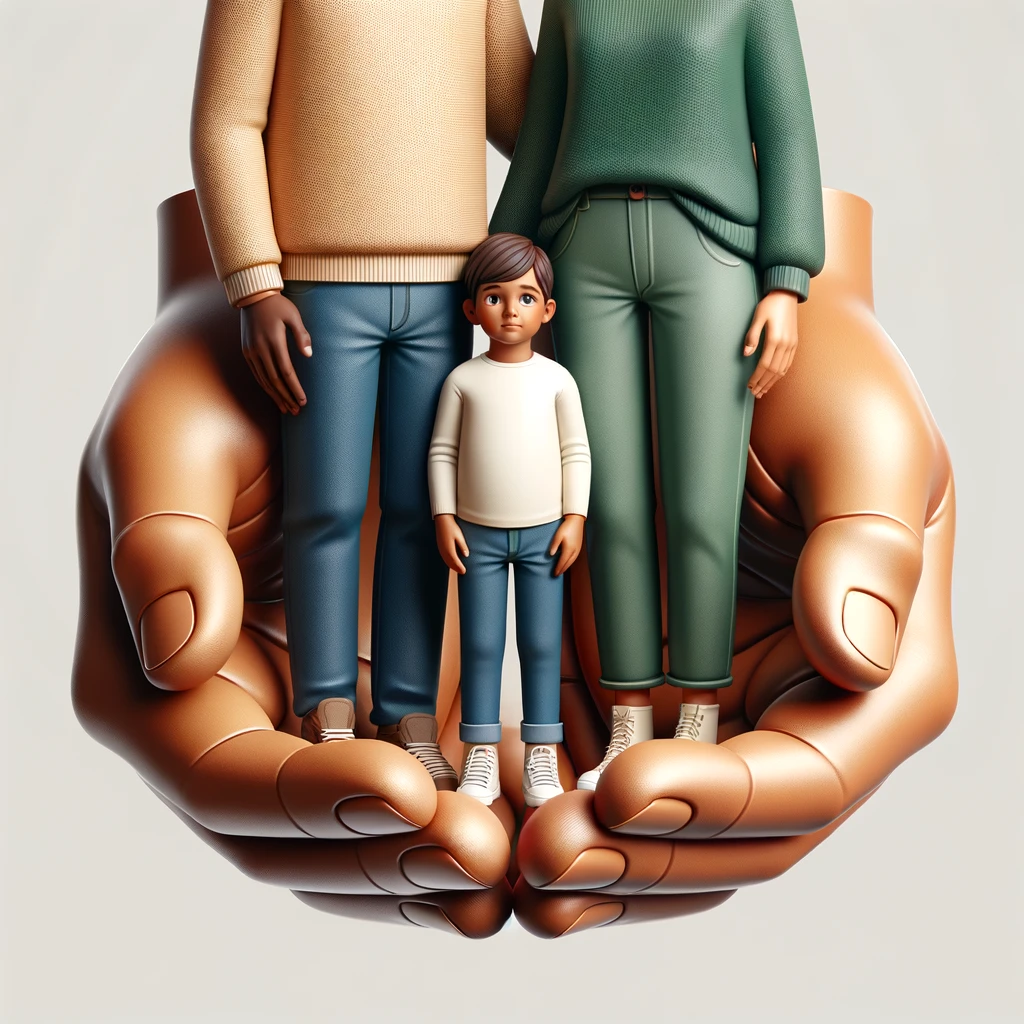
Family support centres in every hospital
In a hospital setting, social workers play a critical role in supporting patients and their families by addressing the social, emotional, and financial challenges that may arise during medical treatment. In Papua New Guinea these roles can often be provided by the extended family and clans or tribes of relatives that fall ill. Social workers…
-
Critical care medicine services survey form
We are conducting a survey to gather insights from health workers about the state of Critical Care Medicine in Papua New Guinea. Your responses will help us understand the current challenges and areas that need improvement. This survey is anonymous, and your participation is highly appreciated. Read more about critical care medicine in PNG by…
-

Blood transfusions; the facts. (part 2)
Global facts What is a blood transfusion? A blood transfusion is a common procedure in which donated blood or blood components are given to you through an intravenous line (IV).(2) Who needs a blood transfusion? A variety of patients will need blood at some stage of their illness. These patients will include:(3) Acute anaemia patients Chronic anaemia…
-

Antimicrobial resistance; consequences and ways to combat AMR (part 4)
What are the consequences of AMR? AMR pathogens can have direct and indirect consequences which include: (1,2) What are ways to combat AMR? Interventions to control and combat AMR will be an investment for the future, saving on future health-care costs and protecting the workforce and economy. (3) The bottom line If we do not…
-
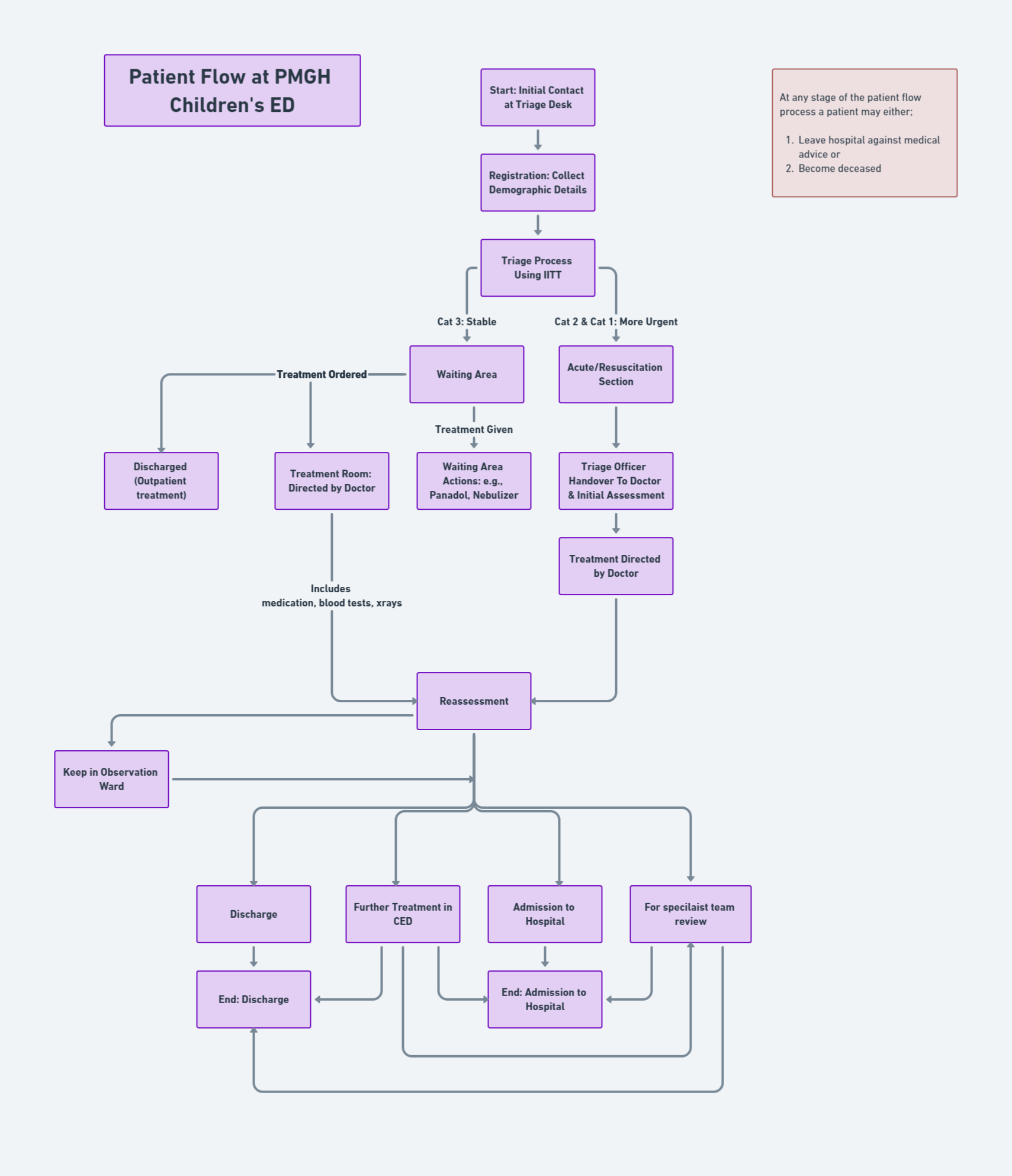
Patient Flow in the Children’s Emergency Department at Port Moresby General Hospital
Patient flow refers to the movement of patients through various stages of care within a healthcare facility, from arrival to discharge. This process is crucial for delivering timely and effective medical care, particularly in high-demand environments like the Children’s Emergency Department (CED). It encompasses all the steps a patient experiences during their visit, including triage…
-
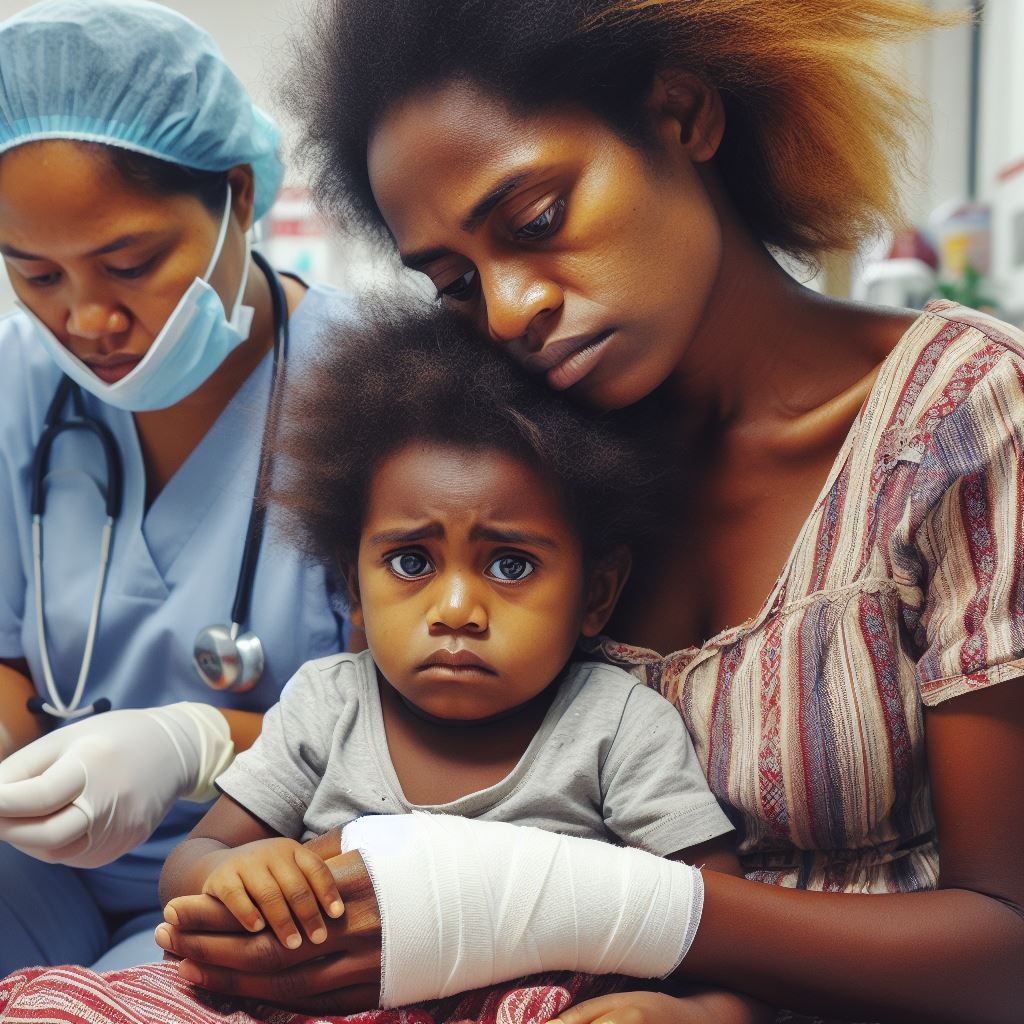
Gender Based Violence in health care (part 2)
Health providers and health systems have a critical role in supporting women, minimizing the impact of violence and preventing future violence. Why health systems? What are the roles of health-care providers? Providers are NOT responsible for Ignoring violence can do harm 1-Tok Kaunselin. Helpim Lain 7150 8000 delivers a comprehensive counselling and referral service for…
-
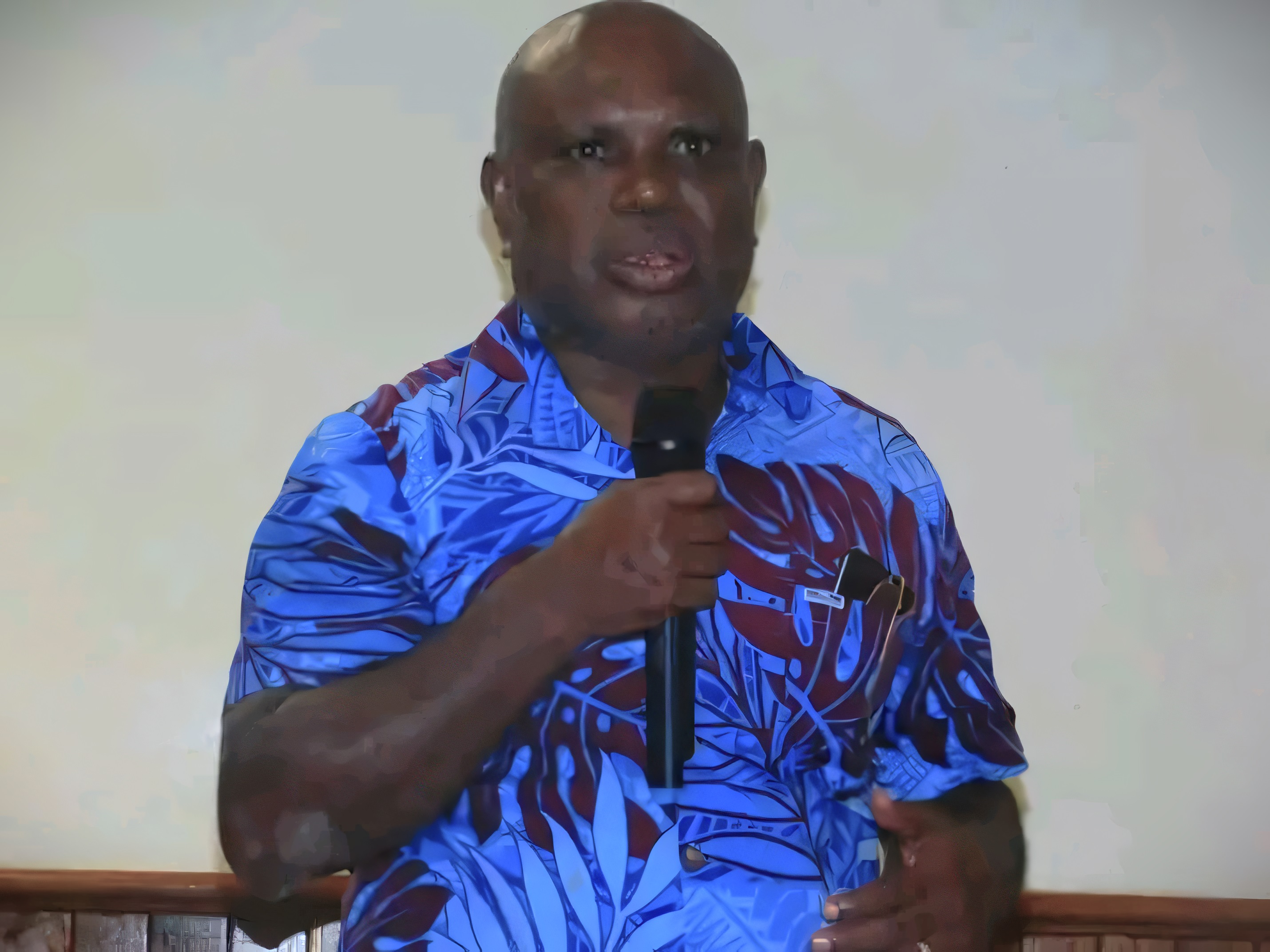
Critical Care Medical Journey continues at Alotau part 2
I closed my eyes, asked the Holy Spirit, and He told me to give digoxin, I ordered digoxin, and my team was scared because this would be their first time to give this drug. I reassured them that I would take full responsibility and not them. So, the drug was given. I was standing right…
-

Antimicrobial resistance; the AMR PNG crisis and contributing factors to AMR (part 3)
What is the AMR PNG crisis? In Papua New Guinea (PNG), antimicrobial therapy constitutes a major form of treatment for almost all our patients we attend to. Endemic and emerging infectious diseases are implicated in half of childhood deaths and over 40% of all mortality in the country. (1) It is mainly empirical due to…
Recent Posts
- Strengthening Papua New Guinea’s Health System in the Era of Artificial Intelligence

- Where to Get Help: A Healthcare Referral Pathway for Survivors of Gender-Based Violence in Papua New Guinea

- A guide for GBV assessment for health workers in Papua New Guinea

- Digital Transformation Summit 2026

- The Burden of Sorcery-Related Violence and Injury in Papua New Guinea.
