


-

Jinjo Health Centre on Rossel Island: A Journey to the Edge of Milne Bay (Part One)”
My watch showed 4:30 a.m. It was that time of the day where if you met someone on the road you’d take a moment to decide whether to say good night or good morning. Dawn was approaching. Sunrise on Nimoa Island. We had spent the night on Nimoa Island after travelling from Misima. Nimoa is…
-

Getting Pregnant: When Is the Best Time to Try?
A patient asked me this question yesterday so I thought to write it up. “When is the best time for a woman to have sex if she wants to get pregnant?” Every month the uterus, especially its lining, undergoes changes in preparation to receive and support a fertilized egg. If sex and fertilization occur then…
-
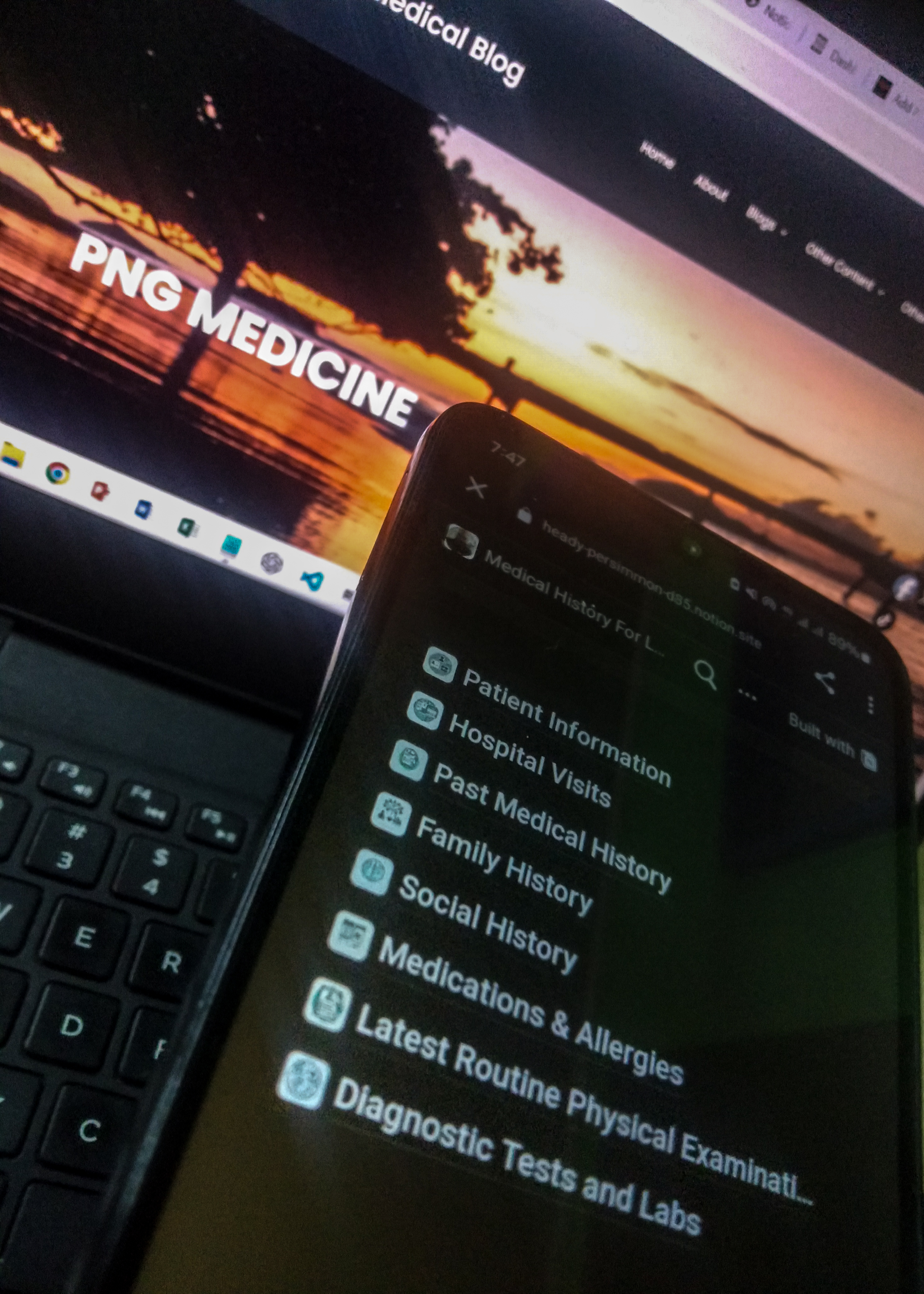
Notion App as a Medical Records Solution
Imagine a scenario where a patient arrives at the hospital in an emergency. The situation is chaotic. The people who brought the patient cannot communicate cleary. They forget to bring the clinic books and other important documents. A digital medical record on Notion makes quick access on any device with internet access. Notion is a…
-

Common misconceptions about surgery
Surgery in limited-resource settings, such as Papua New Guinea, often face unique challenges and misconceptions. Here are some common misconceptions about surgery in these environments. In PNG, every doctor that trains to become a surgeon will first complete their masters and become a general surgeon. After successfully completing this training, the general surgeon can then…
-
Common misconceptions about the ICU
Intensive Care Units (ICUs) in hospitals, particularly in limited-resource countries, are often subject to various misconceptions. Addressing these misconceptions is crucial for improving healthcare delivery and fostering a more accurate understanding of the challenges and realities faced by these vital medical facilities. The ICU provides critical care and life support for acutely ill and injured patients.…
-
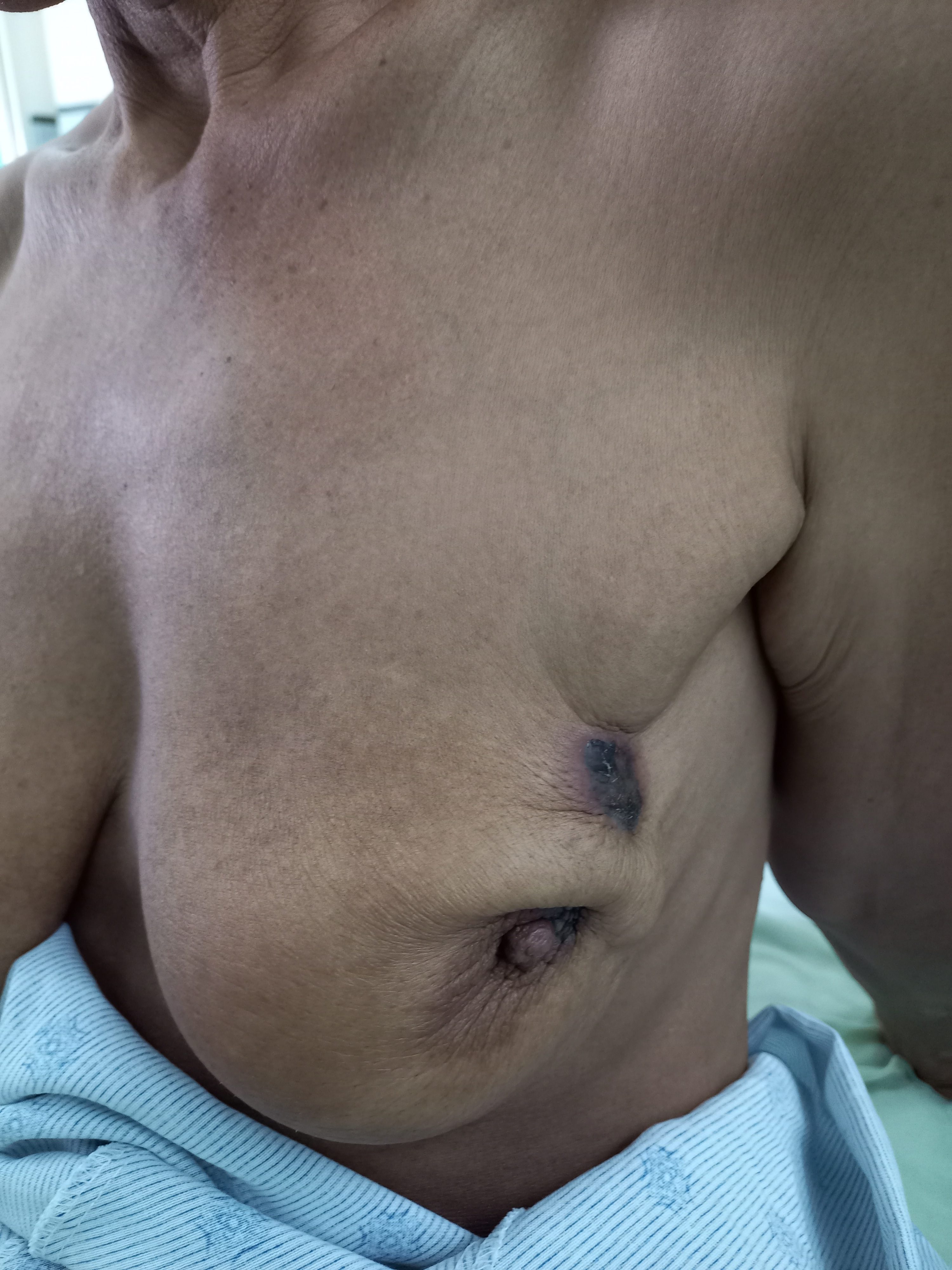
The burden of breast cancer in Papua New Guinea
In 2020, breast cancer was the number one cause of cancer deaths amongst women in Papua New Guinea. In the last 10 years, the incidence of breast cancer in PNG had doubled to more than 12 per 100,000 population. Infact, studies in PNG have shown that 40% of women with breast cancer are below the…
-

Understanding and Responding to Seizures in Children: First Aid Guide
Seizures, also commonly referred to as “fits,” are episodes of abnormal, excessive, and synchronized electrical activity in the brain. This electrical disturbance can lead to various symptoms, ranging from minor twitching to intense convulsions. In children, seizures can be caused by factors such as fever, infections like meningitis or encephalitis, head injuries, congenital brain defects,…
-

Child Malnutrition in Papua New Guinea: Long-Term Health Effects
Malnutrition is a significant issue for children in Papua New Guinea (PNG), though its severity is often overlooked. It’s not just about children being hungry; inadequate nutrition can have lifelong adverse effects on their health and development. Malnutrition occurs when a child does not receive enough essential nutrients. This leads to weakened immune systems, making…
-

Common misconceptions about asthma
Asthma, a chronic respiratory condition, is often misunderstood. Here are some common misconceptions about asthma: Misconception 1: Asthma is only a childhood disease. Reality: While asthma often begins in childhood, it can develop at any age. Adults can also develop asthma even if they did not have it as children. Misconception 2: Asthma is contagious.…
-

Common misconceptions about amoxicillin
Misconceptions about the use of amoxicillin in low- and middle-income countries (LMICs) such as PNG are prevalent and can significantly impact public health. Here are some common misconceptions that the public must understand: 1. Amoxicillin as a Cure-All Misconception: Many people in LMICs believe that amoxicillin can treat all types of infections, including viral infections…
Recent Posts
- Strengthening Papua New Guinea’s Health System in the Era of Artificial Intelligence

- Where to Get Help: A Healthcare Referral Pathway for Survivors of Gender-Based Violence in Papua New Guinea

- A guide for GBV assessment for health workers in Papua New Guinea

- Digital Transformation Summit 2026

- The Burden of Sorcery-Related Violence and Injury in Papua New Guinea.
