


-

Child Malnutrition in Papua New Guinea: Long-Term Health Effects
Malnutrition is a significant issue for children in Papua New Guinea (PNG), though its severity is often overlooked. It’s not just about children being hungry; inadequate nutrition can have lifelong adverse effects on their health and development. Malnutrition occurs when a child does not receive enough essential nutrients. This leads to weakened immune systems, making…
-
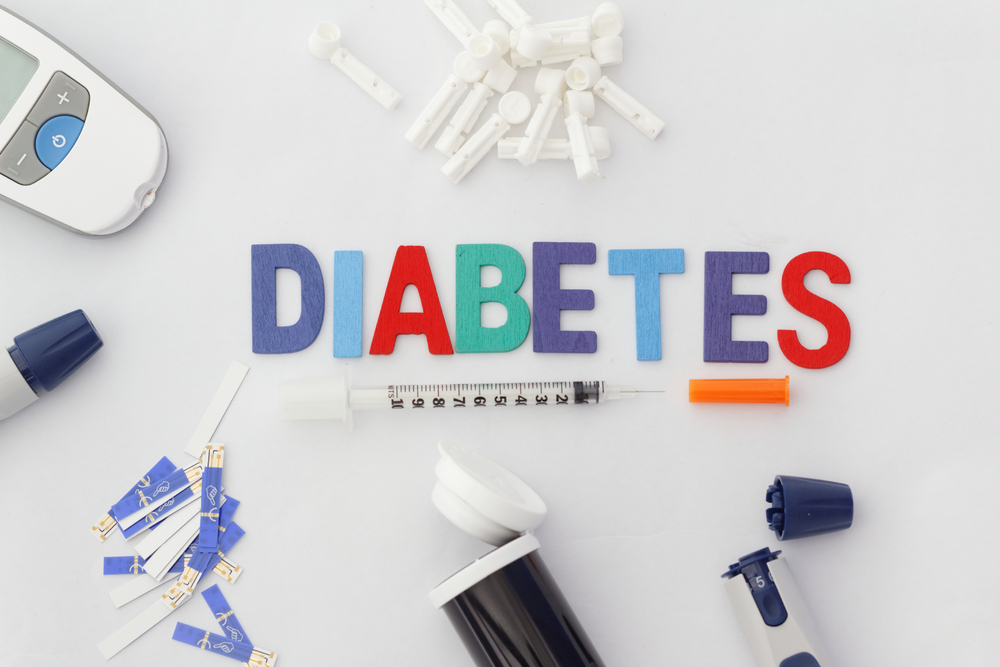
Misconceptions about Diabetic Complications
The International Diabetes Federation Diabetes Atlas (2021) reports that 10.5% of the adult population (20-79 years) has diabetes, with almost half unaware that they are living with the condition. 537 million Approximately 537 million adults (20-79 years) are living with diabetes. 643 million by 2030 The total number of people living with diabetes is projected to rise…
-
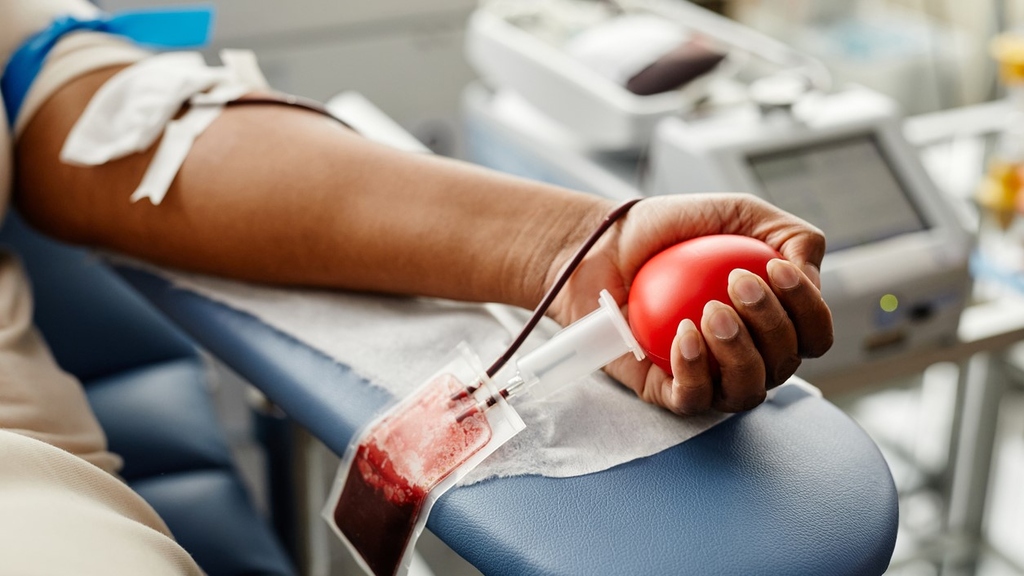
Blood transfusions; strategies to get more blood donors. (part 4)
What are some reasons why people don’t donate blood? There are many reasons why people do not or cannot donate blood. These reasons may include; (1) What are some strategies that hospitals can do to encourage people to donate? USE THESE TIPS TO BRING IN MORE BLOOD DONATIONS. OUR PATIENTS NEED ALL THE HELP THEY…
-

Common misconceptions about asthma
Asthma, a chronic respiratory condition, is often misunderstood. Here are some common misconceptions about asthma: Misconception 1: Asthma is only a childhood disease. Reality: While asthma often begins in childhood, it can develop at any age. Adults can also develop asthma even if they did not have it as children. Misconception 2: Asthma is contagious.…
-

Common misconceptions about amoxicillin
Misconceptions about the use of amoxicillin in low- and middle-income countries (LMICs) such as PNG are prevalent and can significantly impact public health. Here are some common misconceptions that the public must understand: 1. Amoxicillin as a Cure-All Misconception: Many people in LMICs believe that amoxicillin can treat all types of infections, including viral infections…
-
Common misconceptions about waiting times in hospitals
The following series of posts will discuss common misconceptions about aspects of health care in a low to middle income country such as Papua New Guinea. There are several common misconceptions about waiting times in public hospitals that the public often holds and need to understand: 1. Waiting Times Are Arbitrary: Many people believe that…
-

Blood transfusions; donating blood. (part 3)
What are the benefits of a blood transfusion? Blood transfusions save the lives of thousands of patients world-wide every day. Blood is a life-saving ‘drug’ that when correctly administered, relieves morbidity and reduces mortality.(1) These are some of the benefits your donated blood can provide for patients in need:(2) 1. Increase low haemoglobin levels: low haemoglobin…
-
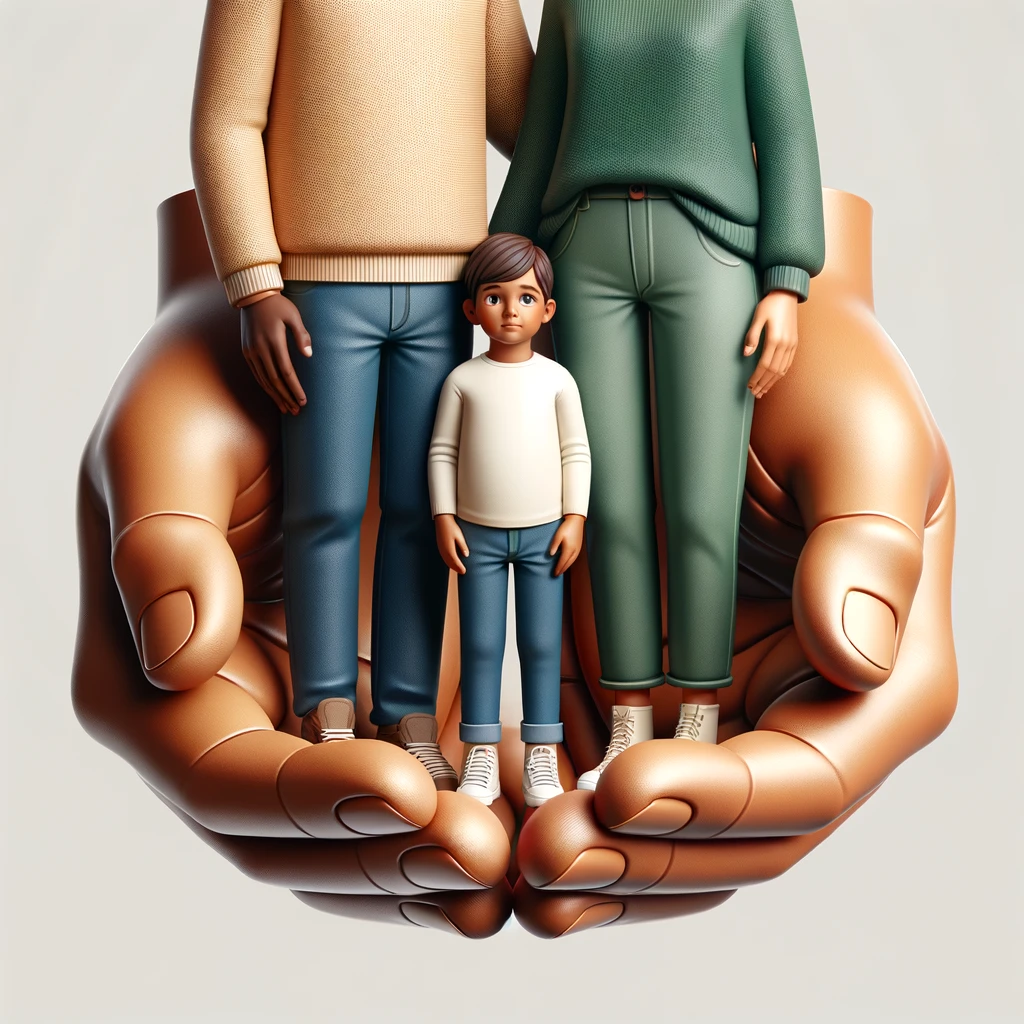
Family support centres in every hospital
In a hospital setting, social workers play a critical role in supporting patients and their families by addressing the social, emotional, and financial challenges that may arise during medical treatment. In Papua New Guinea these roles can often be provided by the extended family and clans or tribes of relatives that fall ill. Social workers…
-

Blood transfusions; the facts. (part 2)
Global facts What is a blood transfusion? A blood transfusion is a common procedure in which donated blood or blood components are given to you through an intravenous line (IV).(2) Who needs a blood transfusion? A variety of patients will need blood at some stage of their illness. These patients will include:(3) Acute anaemia patients Chronic anaemia…
-

Antimicrobial resistance; consequences and ways to combat AMR (part 4)
What are the consequences of AMR? AMR pathogens can have direct and indirect consequences which include: (1,2) What are ways to combat AMR? Interventions to control and combat AMR will be an investment for the future, saving on future health-care costs and protecting the workforce and economy. (3) The bottom line If we do not…
Recent Posts
- Strengthening Papua New Guinea’s Health System in the Era of Artificial Intelligence

- Where to Get Help: A Healthcare Referral Pathway for Survivors of Gender-Based Violence in Papua New Guinea

- A guide for GBV assessment for health workers in Papua New Guinea

- Digital Transformation Summit 2026

- The Burden of Sorcery-Related Violence and Injury in Papua New Guinea.
