


-

Tips for Visiting the Children’s Emergency Department at Port Moresby General Hospital
Visiting the Children’s Emergency Department at Port Moresby General Hospital can be challenging, but with some preparation and understanding, you can improve the experience for both your child and the healthcare workers. Here are some practical tips to keep in mind: At Home: Initial Steps for Managing Illness 1. Manage Minor Illnesses at Home –…
-

BONE CANCER: life or limb
A 5-year-old boy comes into the clinic with a swollen right forearm. His parents only villagers. We investigate and treat for an infection of the bone (osteomyelitis). Months go by with no improvement. The swelling has increased and x-rays are now highly suggestive of a bone cancer. Unable to do a biopsy as the parents…
-

Jinjo Health Centre on Rossel Island: A Journey to the Edge of Milne Bay (Part One)”
My watch showed 4:30 a.m. It was that time of the day where if you met someone on the road you’d take a moment to decide whether to say good night or good morning. Dawn was approaching. Sunrise on Nimoa Island. We had spent the night on Nimoa Island after travelling from Misima. Nimoa is…
-

Understanding and Responding to Seizures in Children: First Aid Guide
Seizures, also commonly referred to as “fits,” are episodes of abnormal, excessive, and synchronized electrical activity in the brain. This electrical disturbance can lead to various symptoms, ranging from minor twitching to intense convulsions. In children, seizures can be caused by factors such as fever, infections like meningitis or encephalitis, head injuries, congenital brain defects,…
-

Child Malnutrition in Papua New Guinea: Long-Term Health Effects
Malnutrition is a significant issue for children in Papua New Guinea (PNG), though its severity is often overlooked. It’s not just about children being hungry; inadequate nutrition can have lifelong adverse effects on their health and development. Malnutrition occurs when a child does not receive enough essential nutrients. This leads to weakened immune systems, making…
-
Antimicrobial resistance; what is antimicrobial resistance? (part 2)
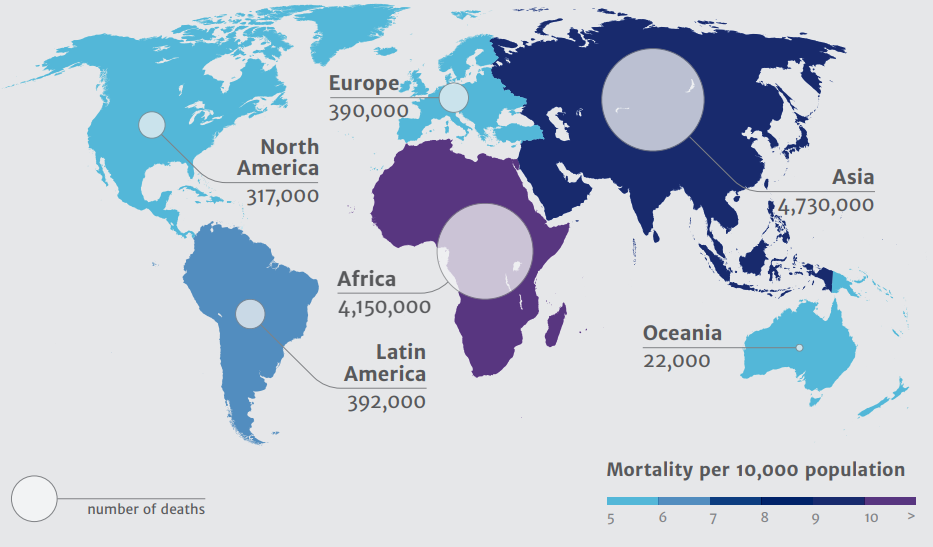
What are antimicrobials? These drugs include antibiotics for bacteria, antivirals for viruses, antifungals for fungi, and antiparasitics for parasites – are medicines used to prevent and treat infectious diseases in humans, animals and plants. (1) The most common antimicrobials in use in our public hospitals are antibiotics which include: Amoxicillin, Penicillin, Chloramphenicol, septrin, ceftriaxone, Flucloxacillin,…
-

Navigating the Interagency Integrated Triage Tool (IITT) at Port Moresby General Hospital’s Children’s Emergency Department
Navigating the Interagency Integrated Triage Tool (IITT) at Port Moresby General Hospital’s Children’s Emergency Department (CED) involves an understanding of its origins, patient flow management, and the triage process. Since its introduction at the CED in December 2023, the IITT has been instrumental in enhancing the efficiency of emergency care at Port Moresby General Hospital,…
-

Antimicrobial resistance; a silent killer in PNG (part 1)
Imagine going to the hospital with what you think is just a simple stomach ache. It could be something you ate a few days ago or you didn’t wash your hands before or after you ate something or you just returned from a foreign country and must have contracted a bug. After a few visits…
-
Understanding Febrile Seizures in Children: What Every Parent Should Know
Febrile seizures can be a frightening experience for parents, often catching them off guard. As a parent or guardian, it’s crucial to understand what febrile seizures are, why they happen, and how to respond. Knowledge is power, especially when it comes to the well-being of your little ones. What Are Febrile Seizures? Febrile seizures are…
Recent Posts
- Strengthening Papua New Guinea’s Health System in the Era of Artificial Intelligence

- Where to Get Help: A Healthcare Referral Pathway for Survivors of Gender-Based Violence in Papua New Guinea

- A guide for GBV assessment for health workers in Papua New Guinea

- Digital Transformation Summit 2026

- The Burden of Sorcery-Related Violence and Injury in Papua New Guinea.
